
Silver mercury
High-Purity Mercury Procurement – The Complete Guide to CAS 7439-97-6 Compliance and Global Safety Mandates
Aug
When operating in industrial sectors that utilize specialized heavy metals, maintaining rigorous standards is essential for long-term operational success. This CAS 7439-97-6 compliance guide explores the critical protocols, regulatory frameworks, and safety mandates required for handling elemental mercury safely and legally.
Introduction: Why Compliance is Non-Negotiable
Elemental mercury, officially designated under CAS 7439-97-6, is a high-density liquid heavy metal critical to various industrial, technical, and manufacturing processes. However, due to its persistent toxicity, bioaccumulative nature, and potential to release harmful vapors, handling this substance carries profound responsibilities.
For industrial operators, chemical handlers, and facility managers, compliance is not merely a legal checkbox; it is the bedrock of corporate responsibility, worker safety, and environmental protection. Failure to adhere to strict handling standards can result in severe regulatory penalties, environmental contamination, and acute occupational health hazards.
Regulatory Frameworks: The Minamata Convention and Global Treaties
The global trade, storage, and utilization of heavy metals are governed by strict international treaties designed to curb environmental release and human exposure.
- The Minamata Convention on Mercury: As a landmark global environmental treaty, the Minamata Convention on Mercury regulations sets binding controls across the entire lifecycle of mercury. It restricts primary mercury mining, regulates artisanal and small-scale gold mining, and mandates best available techniques (BAT) for industrial emissions control.
- National and Regional Legislation: Beyond international treaties, industrial facilities must comply with regional environmental protection acts and occupational health and safety regulations that govern hazardous chemical substances, waste disposal, and cross-border transport.
- Traceability and Auditing: Regulatory frameworks require companies to maintain a fully transparent chain of custody from initial procurement via a verified Certificate of Analysis (CoA) to final end-use tracking.
Safety Data Documentation: Managing and Auditing SDS/MSDS
Clear, accessible, and up-to-date documentation is the first line of defense against workplace chemical incidents.
- Meeting Mercury Safety Data Sheet Requirements: Facilities must maintain comprehensive Material Safety Data Sheets (MSDS) or Safety Data Sheets (SDS) that explicitly outline the physical properties, acute toxicity pathways, and chronic health hazards associated with CAS 7439-97-6.
- Internal Auditing Protocols: Safety managers must conduct routine audits of their chemical inventory records to ensure that all documentation reflects current regulatory updates, emergency response procedures, and first-aid protocols.
- Worker Accessibility: SDS literature must be stored in easily accessible locations both physically on the warehouse floor and digitally – ensuring that laboratory personnel, chemical handlers, and emergency responders can review vital safety data instantly.
Facility Preparedness: Engineering Controls, Vapor Monitoring, and Containment
Managing liquid mercury demands specialized facility infrastructure designed to prevent environmental exposure and worker inhalation.
- Industrial Heavy Metal Handling Protocols: Workspaces must implement strict administrative and engineering controls, including restricted-access zones, dedicated chemical transfer stations, and strict personal protective equipment (PPE) mandates (such as mercury-rated respirators and heavy-duty nitrile gloves).
- Continuous Vapor Monitoring: Because elemental mercury slowly volatilizes at room temperature, releasing invisible and odorless toxic vapors, facilities must install active ambient mercury vapor detection systems equipped with automated alarms.
- Spill Mitigation Infrastructure: Standard cleanup tools are ineffective on liquid metal due to its high surface tension. Facilities must be equipped with certified mercury spill kits containing vapor suppression powders, amalgamating agents, and heavy-duty recovery tools.
Conclusion & Call to Action: Partnering for Safe Procurement
Navigating the complexities of heavy metal management requires uncompromising diligence, strict adherence to international frameworks, and robust internal safety protocols. By prioritizing transparent safety data documentation, advanced facility engineering, and regulatory compliance, organizations can protect both their workforce and the environment.
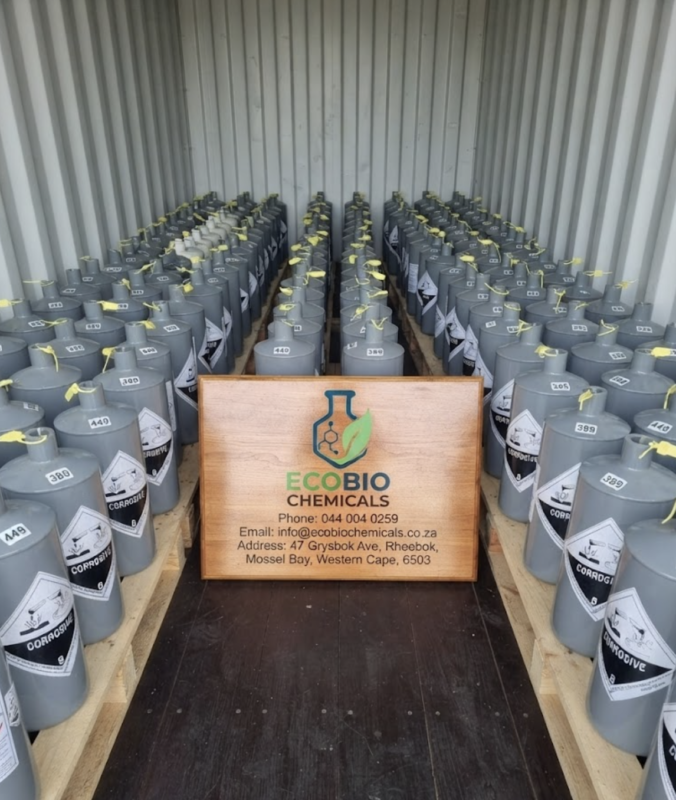
- Partner with EcoBio Chemicals: Ensure your operations remain fully compliant and secure. Contact EcoBio Chemicals today for reliable, certified procurement of high-purity industrial chemicals backed by complete regulatory documentation and expert support.
Disclaimer: Elemental liquid mercury is a toxic hazardous substance.