
Silver mercury
High-purity mercury procurement – The Vital Role of Mercury in Regulated Industries:
Nov
A Guide to Responsible Sourcing and Procurement – liquid mercury suppliers South Africa.
In the specialized world of industrial chemistry and scientific research, elemental liquid mercury (Hg, CAS No. 7439-97-6) remains an essential, albeit highly regulated, raw material. While its consumer applications have significantly declined due to environmental concerns, its unique physical properties make it irreplaceable in several critical, authorized sectors.
This post explores the authorized industrial uses of high-purity liquid mercury, the stringent safety standards required for its procurement, and how responsible sourcing is managed globally.
Authorized Industrial Applications – liquid mercury suppliers South Africa
Despite the global shift towards mercury-free alternatives under the Minamata Convention, specific high-tech and heavy industrial sectors continue to rely on its unique properties. High-purity grades, such as 99.99% (triple-distilled) mercury, are strictly utilized in controlled environments.
1. Precision Instrumentation and Calibration
Liquid mercury’s high density and uniform thermal expansion are unparalleled. It is the global standard for calibrating pressure-measuring devices. Laboratories, meteorological stations, and industrial facilities depend on mercury-filled manometers and barometers for precise pressure readings where digital alternatives may lack the required accuracy or robustness.
2. Analytical Chemistry and Reagents
High-purity mercury is a critical component in various analytical reagents and standard solutions. It is used in electrochemistry, specifically for the Dropping Mercury Electrode (DME) in polarography—a sensitive technique for chemical analysis.
3. Vacuum Pump Technology
Mercury diffusion pumps utilize mercury vapor to create high vacuums. This technology is essential in the production of vacuum tubes, certain types of light sources, and within specialized thin-film deposition processes in semiconductor manufacturing.
4. Legacy Industrial Infrastructure
While new installations are rare, many existing heavy industrial plants, such as chlor-alkali facilities (for producing chlorine and caustic soda), continue to operate legacy mercury-cell technology. These operations require a controlled supply of virgin or recycled mercury for maintenance and top-ups.
Safety and Regulatory Compliance in Procurement
Procuring liquid mercury is not a standard commercial transaction. Due to its toxicity and potential for environmental harm, it is subject to rigorous national and international controls.
The Minamata Convention on Mercury
This international treaty, which entered into force in 2017, aims to protect human health and the environment from mercury emissions. Responsible procurement mandates strict adherence to the convention’s rules, which include:
- Phase-down and phase-out dates for specific mercury-added products and manufacturing processes.
- Controls on mercury supply sources, including the closure of primary mercury mines.
- Regulated trade of both virgin and recovered mercury.
Transportation and Storage
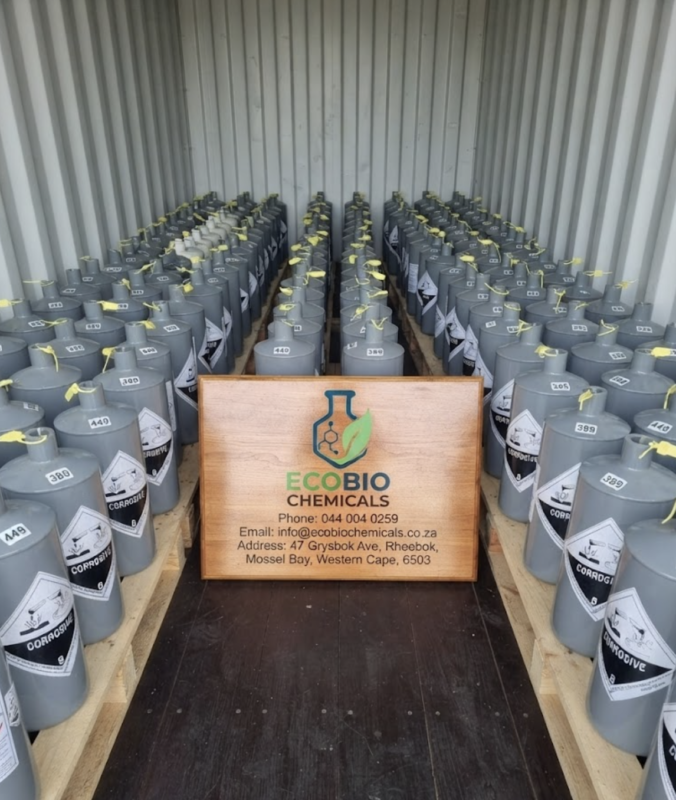
Liquid mercury is classified as a Class 8 (Corrosive) and Class 6.1 (Toxic) dangerous good under UN2809. Transporting it requires:
- Approved Packaging: Mercury must be shipped in heavy-duty, UN-certified steel flasks or high-density polyethylene (HDPE) bottles with secure secondary containment.
- Certified Carriers: Only carriers specifically licensed and trained to handle hazardous materials can transport the substance.
- Secure Storage: End-users must have designated, secure, and well-ventilated hazardous materials storage facilities compliant with local environmental and safety regulations.
Responsible Sourcing and Quality Assurance
Sourcing high-purity liquid mercury (Hg) requires transparency and due diligence. When procuring this material, organizations must verify the supplier’s credentials and the product’s provenance.
Certificate of Analysis (CoA)
Every batch of mercury purchased must be accompanied by a detailed Certificate of Analysis. For applications like instrumentation and analytical chemistry, a purity of at least 99.99% (triple-distilled) is typically required. The CoA should list trace metal impurities, ensuring the material meets the exact specifications for your application.
Supplier Vetting
Partner with reputable chemical distributors who specialize in heavy metals and hazardous reagents. A responsible supplier will:
- Require end-user declarations and verify that the mercury will be used for authorized, non-prohibited purposes.
- Provide full regulatory documentation, including Material Safety Data Sheets (MSDS) and REACH compliance (in Europe).
- Offer expertise on the safe handling, storage, and eventual disposal or recycling of the mercury.
Conclusion
Liquid mercury is not a commodity to be treated lightly. Its procurement involves a complex interplay of essential industrial need, strict international regulation, and an unwavering commitment to safety and environmental stewardship. By understanding the authorized applications and adhering to the highest standards of sourcing and handling, organizations can responsibly manage their mercury requirements while contributing to global efforts to minimize mercury pollution.
Disclaimer: Liquid mercury is hazardous. This blog post is for informational purposes only and does not constitute safety or legal advice. Always consult with qualified hazardous materials professionals, adhere to all local and international regulations, and use appropriate personal protective equipment (PPE) when handling elemental mercury.