
Silver mercury
UN2809 mercury transport standards – Safe Transport and Compliance:
Aug
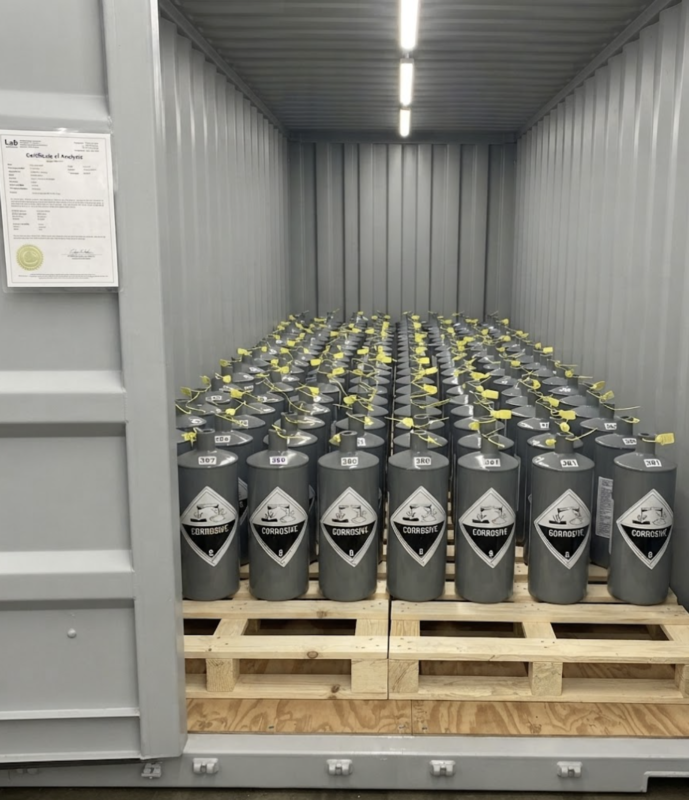
Industrial Mercury Flask Packaging & UN2809 Standards
Transporting liquid elemental mercury is subject to some of the most rigorous hazardous material classifications in global logistics due to its corrosive and toxic properties. Because mercury is a dense, reactive heavy metal, its movement across supply chains requires uncompromising adherence to international dangerous goods regulations, specialized containment protocols, and strict classification standards.
This guide outlines the critical packaging, classification, and transit requirements necessary to ensure safe, compliant logistics for industrial mercury shipments.
1. Packaging and Containment Requirements
Standard commercial packaging is entirely inadequate for moving liquid elemental mercury. Due to its high specific gravity and potential for vapor release, specialized engineering is required.
- UN-Certified Containers: Under dangerous goods regulations, mercury must be packed in heavy-duty steel flasks or specialized pressure receptacles equipped with secure threaded closures, strictly complying with approved packing instructions such as P800.
- Leak Prevention and Structural Integrity: Flasks must be manufactured from materials that do not amalgamate or react with mercury, ensuring that structural integrity remains uncompromised throughout transit, handling, and long-term storage.
2. Classification Standards and Regulatory Identification
Proper classification is the first line of defense in hazardous materials logistics, ensuring that handlers, carriers, and emergency responders understand the exact risks involved.
- Official UN Designation: Commercial shipments are officially classified under UN 2809 (MERCURY).
- Hazard Classes: The substance carries Hazard Class 8 (Corrosive) alongside recognized subsidiary toxic risks (Class 6.1), reflecting both its corrosive nature on structural metals and its systemic toxicity risks via inhalation or absorption.
3. Secure Transit, Labeling, and Separation Protocols
Moving hazardous chemical cargo across road, rail, or sea freight demands meticulous logistical oversight and regulatory documentation.
- Hazard Labeling and Documentation: Transport units and outer packaging require prominent Class 8 corrosive and Class 6.1 toxic hazard labels, accompanied by full dangerous goods declaration documentation.
- Material Separation: Transport units mandate strict physical separation of mercury shipments from incompatible materials—most notably aluminum structures, as mercury readily forms amalgams with aluminum, severely compromising structural integrity.
- Multimodal Compliance: Whether moving via domestic freight networks or international shipping lanes, complete chain-of-custody tracking ensures full compliance with regional and global safety mandates.
Conclusion
Navigating the logistics of hazardous heavy metals requires absolute precision. By strictly enforcing UN-certified flask packaging, adhering to UN2809 classification rules, and maintaining rigorous transit protocols, industrial suppliers ensure safe and compliant delivery across the supply chain.
Disclaimer: Elemental liquid mercury is a toxic hazardous substance.