
Style
CAS 7439-97-6 Chemical Compliance and MSDS
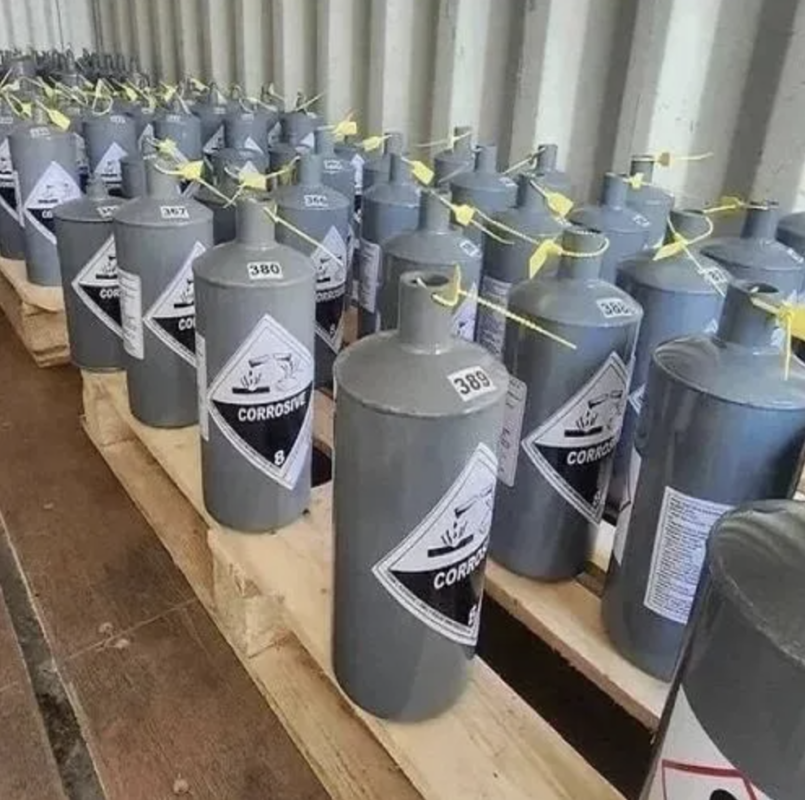
Dec
Essential Chemical Compliance, MSDS Protocols, and Industrial Safety for Elemental Mercury
Managing regulated heavy metals requires strict adherence to international safety guidelines, chemical safety data sheets (MSDS/SDS), and environmental mandates. When dealing with elemental mercury officially designated under CAS 7439-97-6 compliance is not merely a legal checkbox; it is the cornerstone of responsible industrial operations, worker protection, and environmental stewardship.
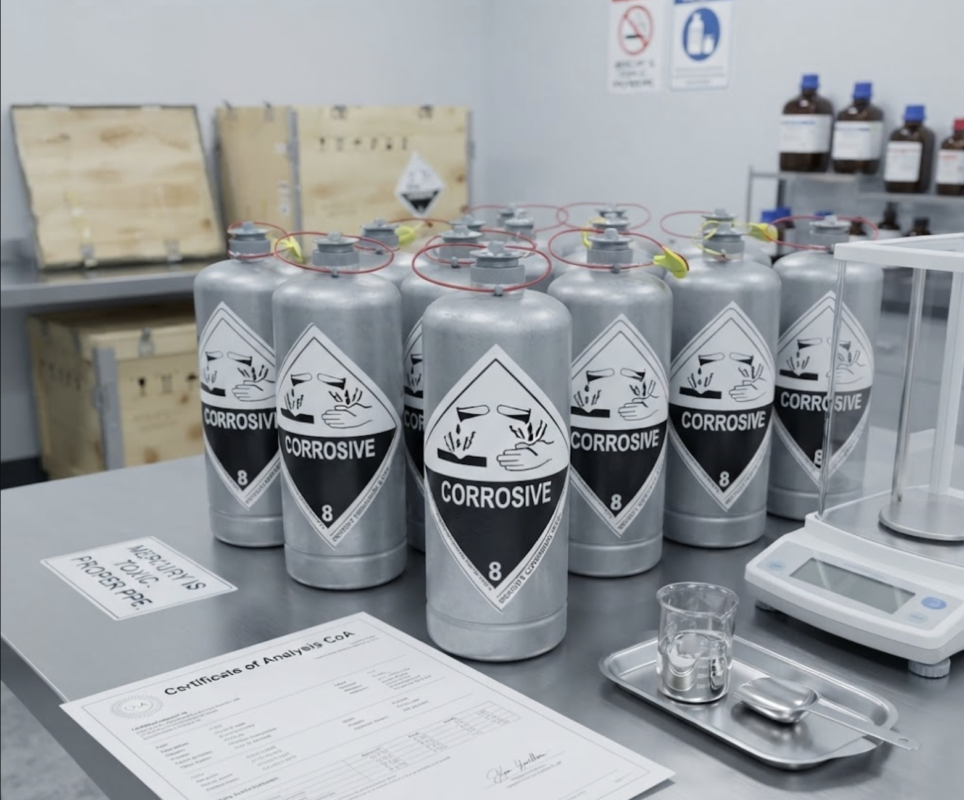
This comprehensive guide explores the core compliance protocols, safety data documentation, and facility preparedness measures required for organizations handling industrial grade mercury.
1. Regulatory Frameworks and International Mandates
The global trade, transport, and utilization of mercury are strictly monitored by international governing bodies to mitigate environmental accumulation and occupational health risks.
- Alignment with Global Treaties: Operations handling elemental mercury must align with international treaties such as the Minamata Convention on Mercury. Compliance ensures that every stage of procurement, tracking, storage, and end-use strictly conforms to global environmental protection laws and international trade restrictions.
- Traceability and Documentation: Industrial facilities must maintain meticulous audit trails for all heavy metal inventories. From initial supplier verification via a Certificate of Analysis (CoA) to final end-user destination logs, regulators require complete transparency to prevent unauthorized distribution or environmental leakage.
2. Safety Data Documentation (MSDS/SDS) and Toxicity Management
Understanding the specific chemical hazards of liquid mercury is vital for protecting laboratory personnel, warehouse staff, and chemical handlers.
- Comprehensive Safety Data Sheets: Personnel must maintain up-to-date Material Safety Data Sheets (MSDS) or Safety Data Sheets (SDS) that explicitly outline the physical and health hazards associated with CAS 7439-97-6.
- Toxicity and Exposure Risks: Documentation must clearly detail acute and chronic toxicity risks via inhalation of mercury vapor, accidental ingestion, or systemic absorption through skin contact.
- Exposure Control Plans: Facilities are required to establish robust exposure control protocols, mandating the use of appropriate personal protective equipment (PPE) such as specialized chemical-resistant gloves, eye protection, and respiratory gear whenever handling open containers.
3. Facility Preparedness, Engineering Controls, and Spill Mitigation
Handling a hazardous, dense liquid metal demands specialized infrastructure designed to contain potential accidents before they escalate into environmental or health emergencies.
- Specialized Ventilation and Air Quality: Workspaces handling CAS 7439-97-6 must implement engineered ventilation systems, such as certified fume hoods and continuous air-exchange setups, to maintain ambient mercury vapor levels well below occupational exposure limits.
- Continuous Vapor Detection: Because elemental mercury evaporates slowly at room temperature, releasing invisible and odorless toxic vapors, facilities must install active mercury vapor detection monitors in storage and handling areas.
- Certified Spill Kits and Neutralization: Standard cleanup methods are ineffective on liquid mercury due to its high surface tension and tendency to fragment into micro-droplets. Workspaces must be equipped with specialized mercury spill kits containing vapor suppression powders, amalgamating agents, and heavy-duty vacuum recovery tools designed specifically for heavy metal containment.
Conclusion
Compliance and safety form the bedrock of sustainable industrial chemistry. By strictly following international frameworks like the Minamata Convention, maintaining transparent Safety Data Sheets, and investing in advanced facility preparedness, organizations can safely manage CAS 7439-97-6 while protecting both their workforce and the environment.