
Silver mercury
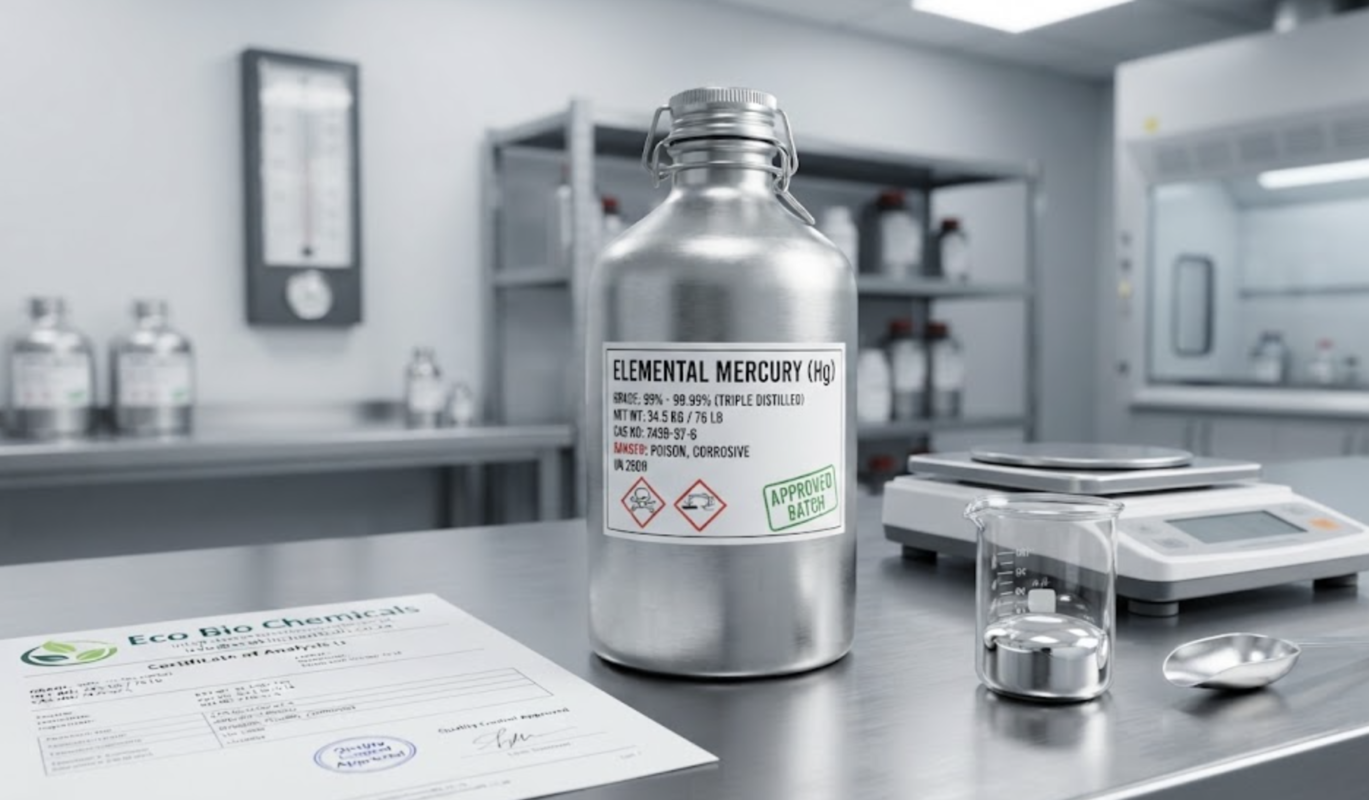
Comprehensive Guide to High Purity Mercury (99.99% Triple Distilled):
Dec
Essential Applications in Precision Engineering and Science
Introduction: Why Purity Matters in Advanced Technical Operations
In precision engineering, advanced manufacturing, and high-level scientific laboratories, standard-grade chemical compounds often introduce microscopic variables that compromise operational results. When an industrial process or delicate measurement relies on exact, unyielding physical constants, ordinary materials fall short. For operations depending on these strict physical parameters, 99.99% triple-distilled mercury is not merely an option, it is an absolute necessity.
Elemental liquid mercury (CAS No. 7439-97-6) possesses a unique suite of physical and chemical properties, including exceptional density, high surface tension, uniform thermal expansion, and distinct electrical characteristics. However, trace metallic impurities such as lead, copper, zinc, or iron—can drastically alter these properties, causing oxidation, surface film fouling, and catastrophic instrumentation error. This guide explores the critical technical implementations of high-purity mercury and why specifying triple-distilled grades safeguards industrial precision.
1. Metrology, Calibration, and Precision Pressure Measurement
One of the oldest and most enduring applications of elemental mercury is in the field of pressure metrology and environmental monitoring.
- Baseline Fluid Consistency: High-purity mercury serves as the foundational baseline fluid for high-precision barometers, manometers, and specialized pressure transducers. Because density consistency directly dictates measurement accuracy, even fractional variations caused by impurities can result in skewed barometric or differential pressure readings.
- Minimizing Meniscus Distortion: In precision glass tubing and calibration columns, lower grades of mercury tend to form irregular oxides on their surface. Triple-distilled mercury maintains a clean, predictable meniscus, ensuring that scientific and industrial instruments yield repeatable, highly accurate data over extended operational lifespans.
2. High-Vacuum Systems and Physics Research
Advanced manufacturing environments, electron tube production facilities, and specialized physics laboratories rely heavily on high-vacuum technology to achieve ultra-clean operational chambers.
- Mercury Diffusion Pumps: High vacuum systems frequently utilize mercury diffusion pumps. These systems rely entirely on the unique molecular weight, chemical stability, and low vapor pressure profile of pure mercury vapor to efficiently capture, entrain, and remove residual gas molecules from sealed chambers.
- Reliability Under Extreme Conditions: Unlike synthetic oils that can break down, crack, or react under continuous thermal stress and reactive gas exposure, high-purity elemental mercury maintains its integrity, ensuring uninterrupted vacuum draw-downs for sensitive electronics and thin-film deposition processes.
3. Specialized Electrical Infrastructure and Switching
Although consumer electronics have transitioned away from heavy metals, heavy-duty industrial infrastructure still demands components capable of enduring extreme operational cycles without mechanical wear.
- Heavy-Duty Industrial Relays: Industrial tilt switches, heavy-duty motion sensors, and high-amperage specialized relays use contaminant-free elemental mercury to bridge electrical contacts seamlessly.
- Preventing Oxidation and Contact Fouling: Contaminated or lower-purity mercury contains trace elements that rapidly oxidize when exposed to minute residual gases or electrical arcs. This oxidation creates a sludge barrier, leading to increased electrical resistance, erratic switching behavior, and premature hardware failure. Triple distilled variants ensure a clean, non-oxidizing liquid contact point across millions of continuous switching cycles.
Operational Best Practices and Safety Compliance
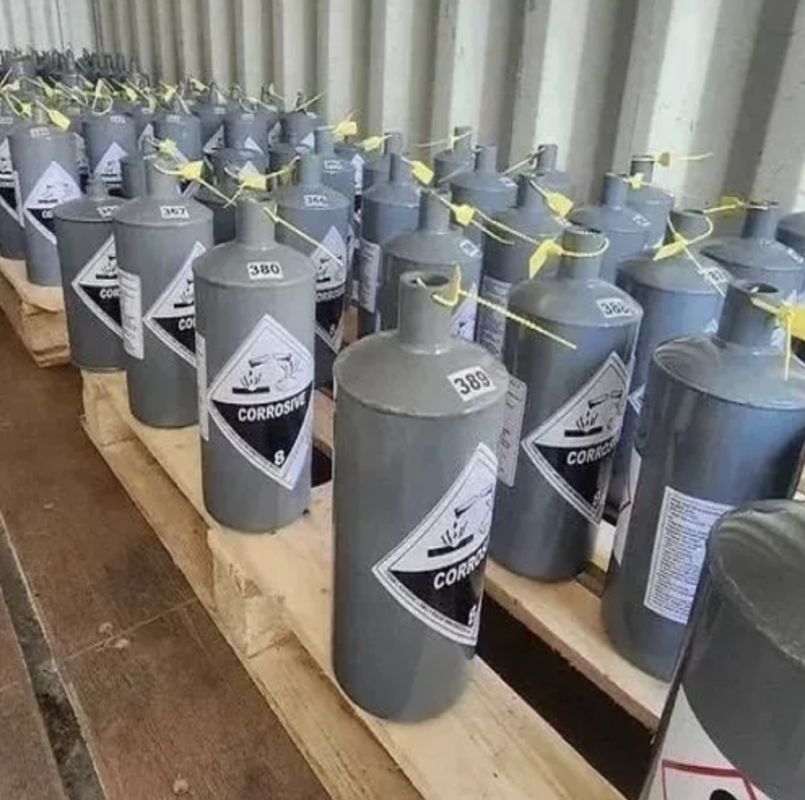
Utilizing high-grade elemental mercury requires absolute adherence to safety and regulatory frameworks. Because liquid mercury is a toxic, regulated heavy metal (Hazard Class 8/6.1, UN 2809), facilities must enforce strict containment measures, proper ventilation, and the use of certified personal protective equipment (PPE). Procuring from reputable, compliant suppliers ensures that every batch is backed by a verified Certificate of Analysis (CoA) confirming its precise purity metrics.
Disclaimer: Elemental liquid mercury is a hazardous toxic substance.